Marketing and advertising20:06
What to include in a contract so AI-generated graphics do not end up unprotected
The guide explains how to separate AI elements from human input in subcontractor agreements, when raw output grants no exclusivity, and what to verify within 7 days before publishing.
Listen to the article summary
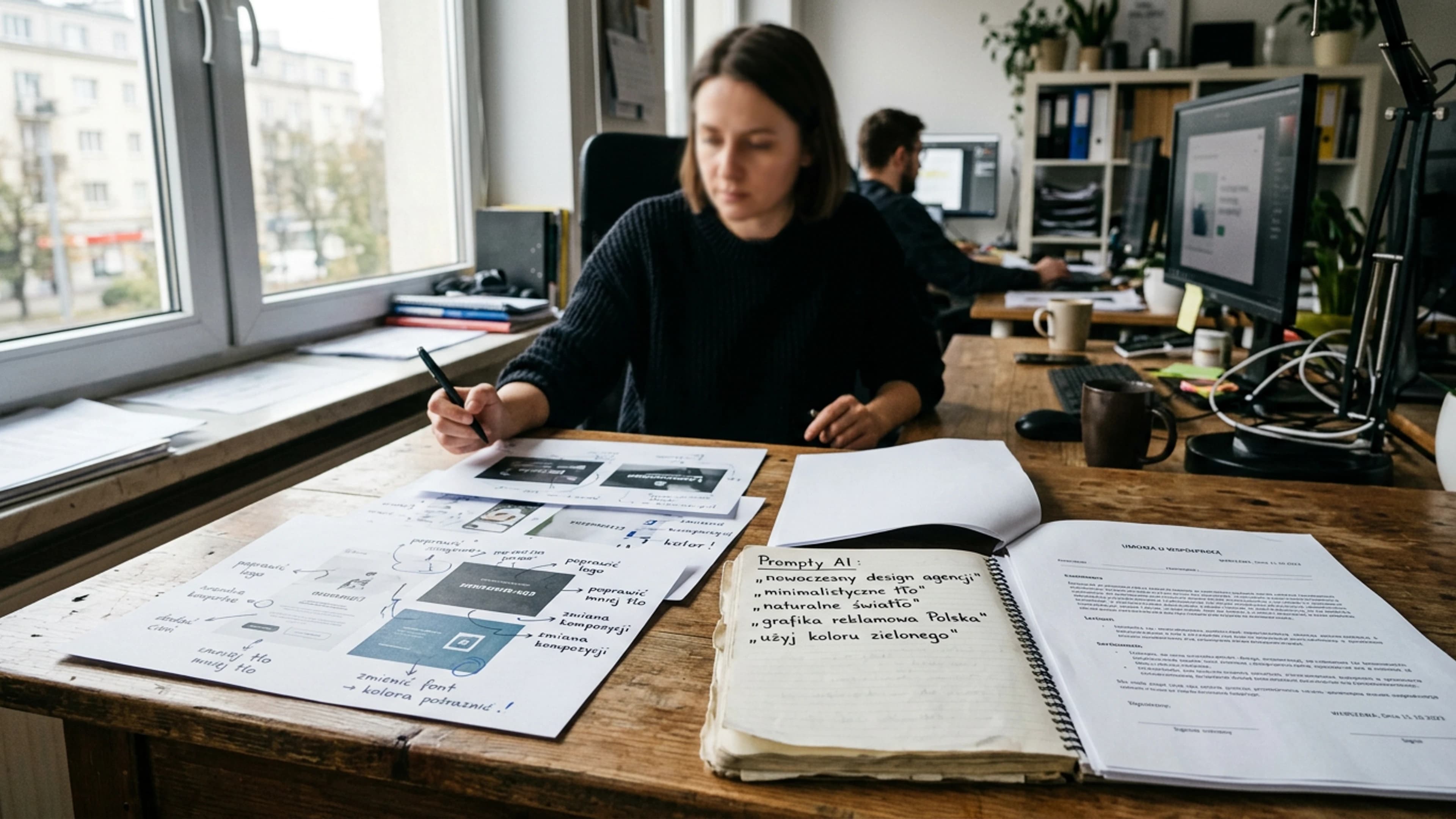
Synthetic voice.Treat this as a free practical guide: solid for starters and team discussions, insufficient as the sole basis for major decisions. At a 40-person creative agency in Łódź, an account manager sends six graphics and three proposal descriptions to the client. Two graphics came from an image generator, copy came from a text generator, and post-processing was limited to cropping and headline updates. After publication, the client's legal department asks: do they hold exclusivity over the entire deliverable. An internal audit reveals nobody saved the prompts or working drafts. The situation is common, but you can resolve it within a week.
The starting point is straightforward. Under Article 1(1) of the Polish Copyright Act, protection applies to manifestations of creative activity of an individual nature. The law does not grant this status to an AI system, and Article 8(2) ties the presumption of authorship strictly to a natural person. The AI Act defines an AI system, but it does not grant machine creator status. In practice, this means raw output from a simple prompt cannot be transferred on an exclusive basis, because there is no copyright to assign. Mixed material is protected only in layers resulting from human creative choices. No conclusive ruling or administrative guideline defines the exact legal status of a prompt alone. In practice, treat it as an auxiliary process element, linking copyright protection to subsequent human intervention. This boundary is not black and white, but for operational purposes, a three-tier model suffices: human, mixed, purely tool-generated.
What you can do this week
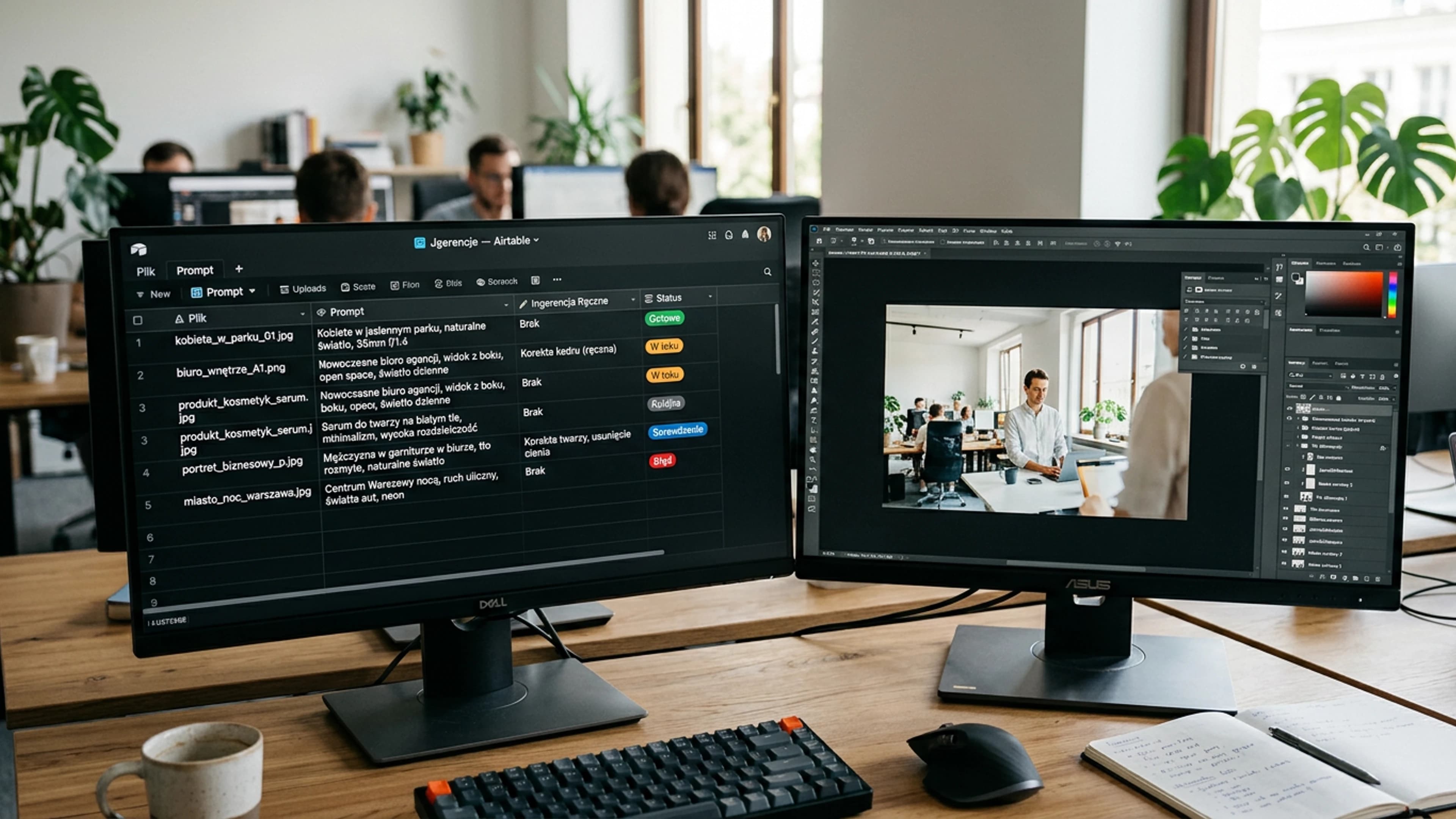
Complete four operational steps in one week without additional budget: 1. Audit of the last two campaigns; 3 hours, project manager. Review working files, saved prompts, and version histories. Tag each file as human, mixed, or purely tool-generated. 2. Five questions for the subcontractor; 1 hour, account manager. Send a questionnaire: which tools were used, exact prompt records, which fragments were manually edited, whether the subcontractor held appropriate commercial licenses, and whether risk exists regarding third-party likeness or style infringement. 3. One-page contract addendum; 2 hours, legal counsel. Insert five clauses: human input declaration, copyright assignment for human-made elements, non-exclusive license for AI-generated components, liability disclaimer for incidental similarities to third-party works, and an explicit duty to inform the client that parts of the material lack exclusivity. 4. Prompt and version log; 2 hours, production coordinator. Establish a spreadsheet cataloging every file. Without this record, reconstructing manual modifications a year later proves impossible. Recommended operational deadlines: confirm legal status at latest 3 business days from delivery, prior to publication; retain prompts and draft files minimum 5 years after campaign completion; supply missing documentation within 7 days of client request.
What to avoid doing right away
At the start, three seemingly obvious steps usually waste the most time. First: buying a separate rights management system. For an agency of up to 50 people, a three-column spreadsheet covers the first two weeks and takes 3 hours, not 15,000 PLN. Second: negotiating output ownership terms with tool vendors. The licensing terms of OpenAI or Midjourney rarely resolve the issue of human authorship. They define what you can do with the account, not what constitutes a protected work under Polish law. Third: commissioning legal opinions for every graphic. Build a file metadata sheet first, and only consult an advisor in disputed cases.
How to verify it works after two weeks
One measurable metric: the share of files with completed metadata in the current campaign. On Monday morning, open the register and count how many graphics and texts delivered in the last 14 days have a recorded status, prompt list, and scope of manual edits. A result above 90% means you can approve deliverables with clear exclusivity terms. A 50–80% range signals you need to return to subcontractors and fill the gaps within 7 days. Below 50%, stop sending new assets to the client until documentation catches up. This threshold comes from practice, not statute: it prevents promising exclusivity on assets that cannot guarantee it.
HEXART deploys asset sheet systems for AI-assisted productions. If you want to outsource this after an internal trial, we build the asset sheet template and integrate it into your file workflow. Learn more at hexart.pl/uslugi or hexart.pl/rezerwacja.
Source materials
Sources consulted during research. The text above is our own; these third parties are not responsible for its content and have not authorised it.
- Obwieszczenie Marszałka Sejmu Rzeczypospolitej Polskiej z dnia 6 grudnia 2024 r. w sprawie ogłoszenia jednolitego tekstu ustawy o prawie autorskim i prawach pokrewnych
- Obwieszczenie Marszałka Sejmu Rzeczypospolitej Polskiej z dnia 28 października 2022 r. w sprawie ogłoszenia jednolitego tekstu ustawy o prawie autorskim i prawach pokrewnych
- Art. 1. 1. Przedmiotem prawa autorskiego jest każdy przejaw działalności twórczej o indywidualnym charakterze, ustalony w jakiejkolwiek postaci, niezależnie od wartości, przeznaczenia i sposobu wyrażenia (utwór).